оставить сообщение
Если вы заинтересованы в нашей продукции и хотите узнать более подробную информацию, пожалуйста, оставьте сообщение здесь, мы ответим вам, как только сможем.
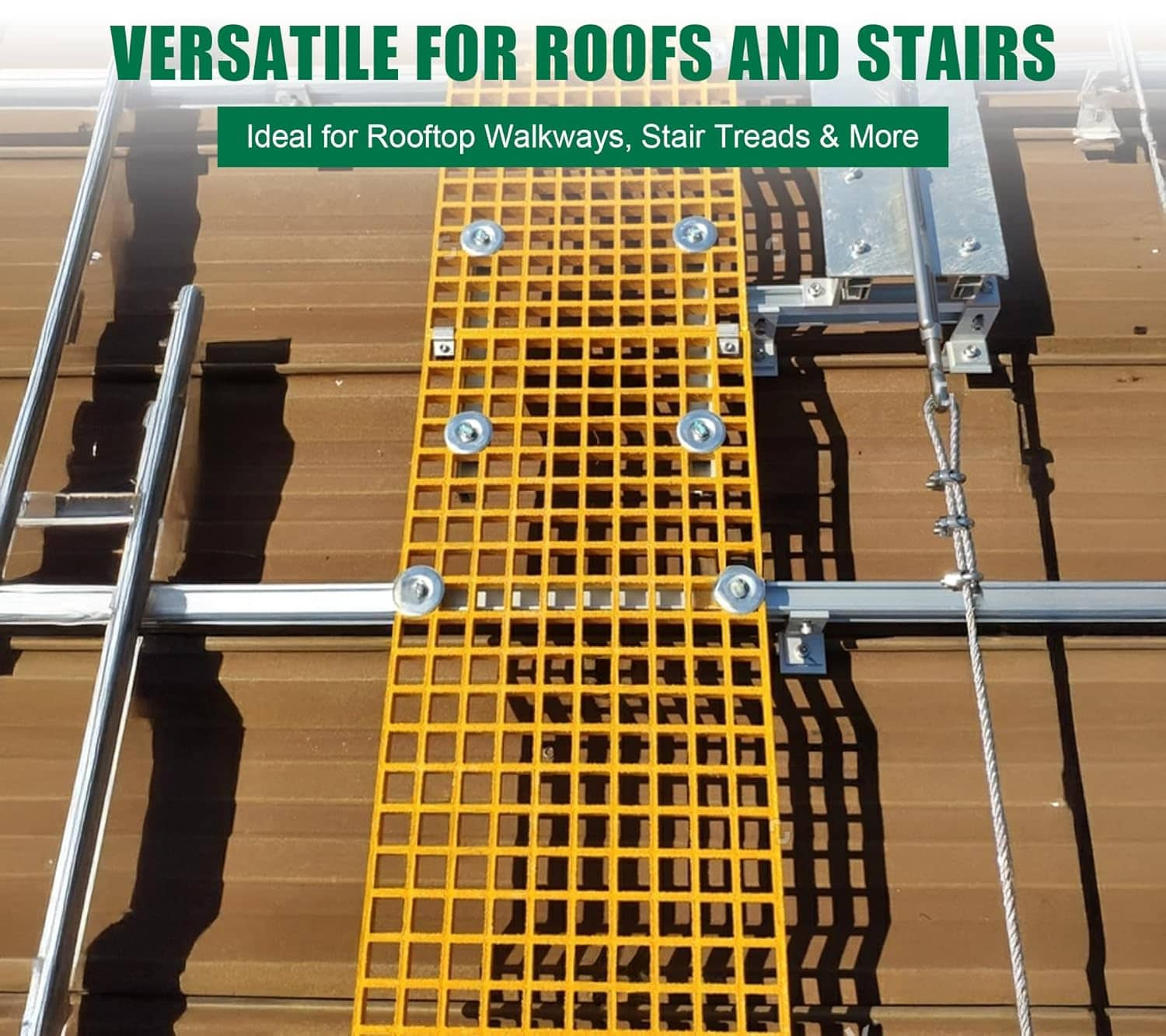
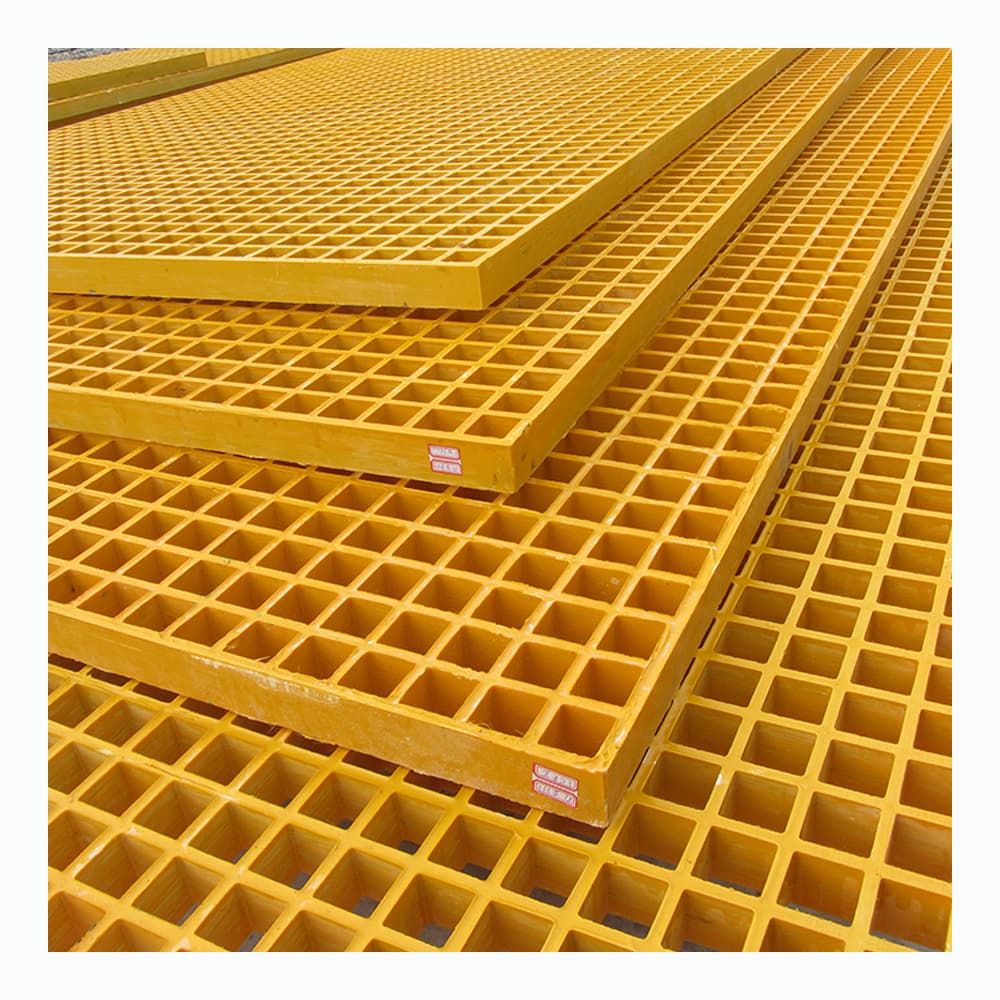
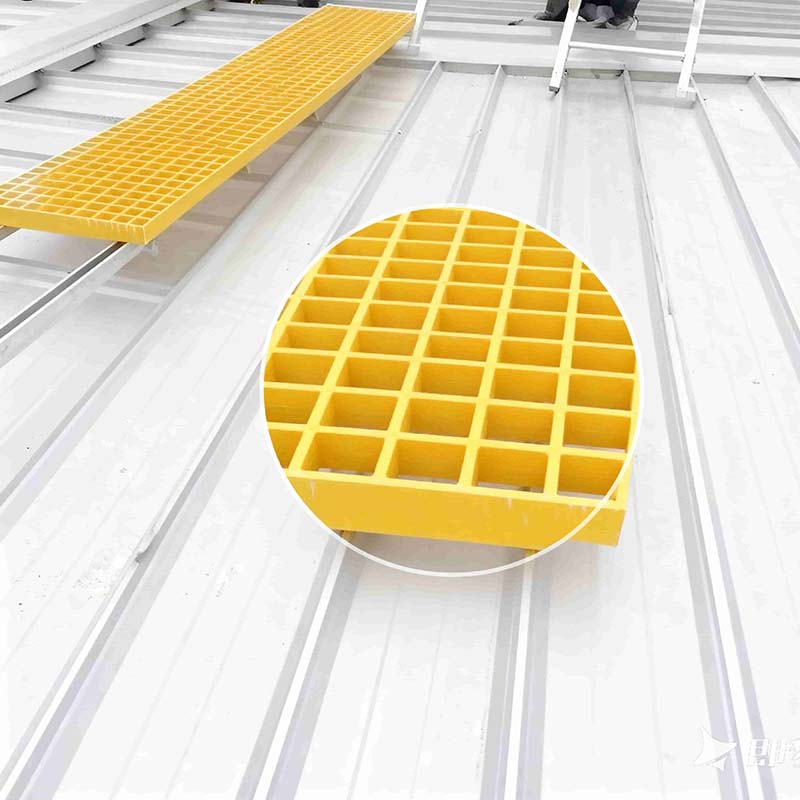
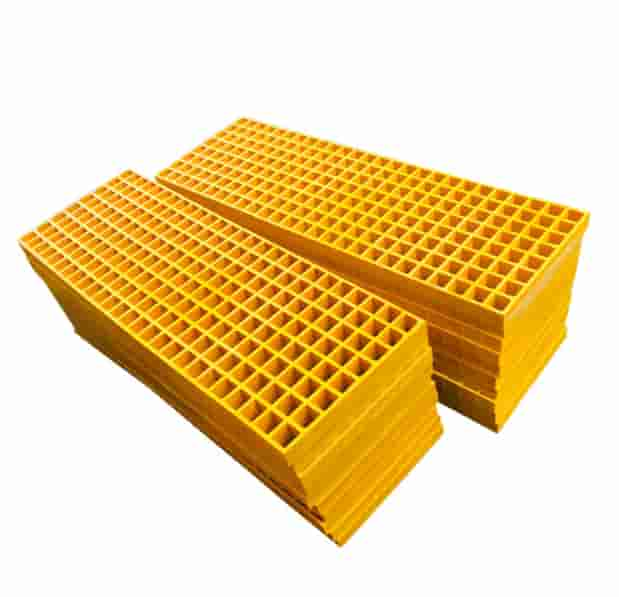
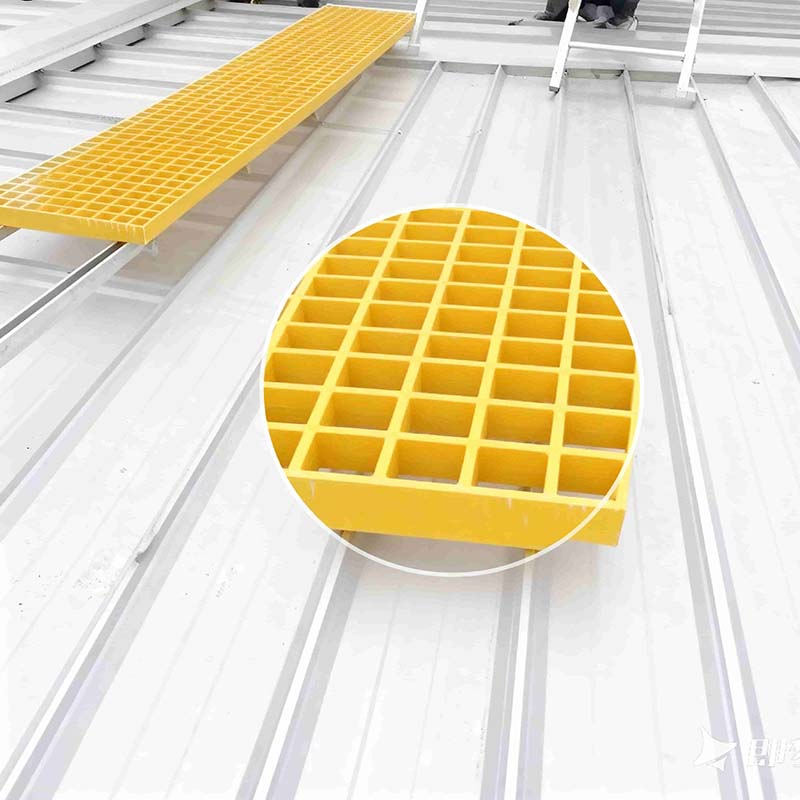
Somebody has to reach the inverter, the junction box and the string that tripped, and on a roof full of glass the shortest line between two points is the wrong one. This walkway is that line, made explicit: a perforated or grated tread laid at 0° across the array, flush on the roof surface or elevated on the mounting structure, so boots land on aluminium or galvanised steel instead of on a module or a membrane. 6063-T6 or hot-dip galvanised steel, stainless fasteners, up to 20 years depending on the material and the exposure.
Название продукта :
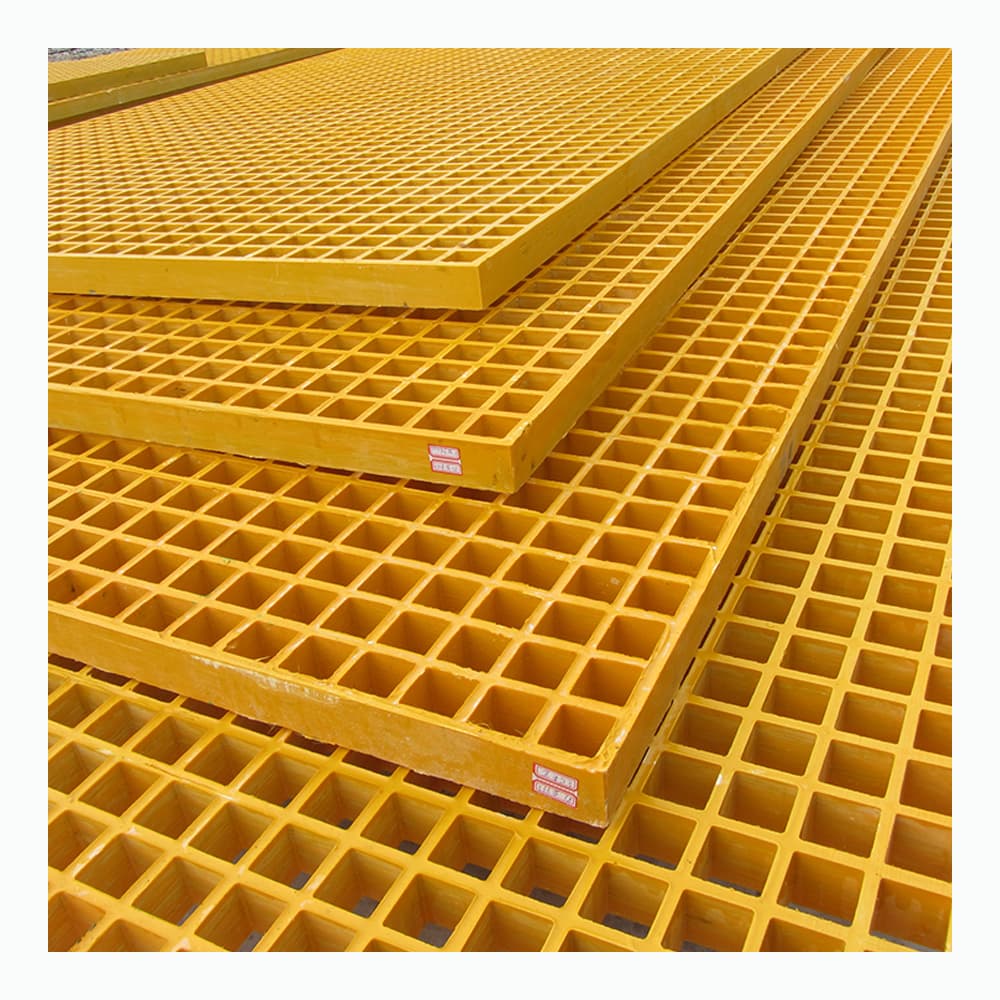
Solar FRP WalkwayМатериал :
FiberglassПреимущество :
Higher Strength Light WeightНомер модели :
nullГарантия :
5 YearsПриложение :
Solar roof ,floor,platform,stair treadsРазмер :
CustomA roof walkway and fall protection are two different purchases, and conflating them is how projects end up with a route nobody is allowed to use. The walkway gives you a defined, slip-resistant path and keeps foot traffic off the modules; it does not arrest a fall, it does not replace a guardrail, and it does not satisfy an edge-protection requirement. Design the route, then design the protection, then check that the two agree — in that order, because the walkway is the cheap half and the guardrail is the half that gets value-engineered out.
Product Advantages
1. It keeps boots off the glass. Module installation manuals generally prohibit walking on the laminate, and the damage is invisible — micro-cracks that show up as a dropped string two years later. A designated route is the compliance path, and it is also the argument that survives a warranty claim: the walkway is the evidence that the array was not treated as a floor.
2. Flush or elevated, on the same components. Flush mounting sits the tread on the roof surface where the pitch allows it; elevated mounting hangs the same tread on the array structure where the roof is not meant to be walked at all. That choice is made per project rather than per product, which matters on retrofits where the array is already up.
3. Perforated or grating tread, both draining. The perforated panel sheds water and debris through the holes rather than holding it on the surface, and the grating version does the same with more open area and a stiffer section. On a roof that ponds, the difference between a tread that drains and one that holds water is the difference between a walkway and a puddle.
4. Aluminium 6063-T6 or hot-dip galvanised steel, stainless fasteners. Aluminium for weight and for non-combustibility; galvanised steel where the span or the budget calls for it. The fasteners are stainless either way, which is the detail that decides whether the walkway is still fixed in ten years on a coastal or industrial roof.
5. 0° means no shading and no snow trap. A walkway laid flat casts nothing onto the modules and gives snow nowhere to pile against. It is also the reason the tread has to be genuinely anti-slip rather than relying on pitch to shed water — at 0° the surface is doing all the work.
 a
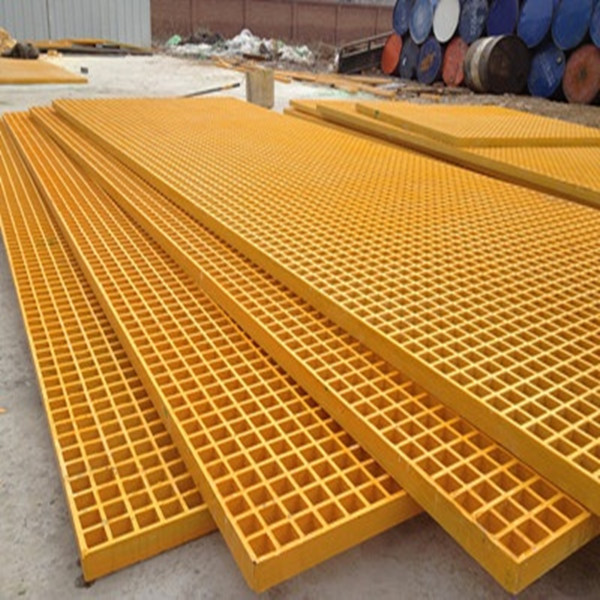
Солнечная дорожка из стеклопластика Конструкция двойного назначения: она служит безопасным пешеходным переходом и генератором солнечной энергии. Конструкция из армированного стекловолокном пластика (FRP) обеспечивает долговечность и устойчивость к коррозии.
Подробности
Somebody has to reach the inverter, the junction box and the string that tripped, and on a roof full of glass the shortest line between two points is the wrong one. This walkway is that line, made explicit: a perforated or grated tread laid at 0° across the array, flush on the roof surface or elevated on the mounting structure, so boots land on aluminium or galvanised steel instead of on a module or a membrane. 6063-T6 or hot-dip galvanised steel, stainless fasteners, up to 20 years depending on the material and the exposure.
Подробности
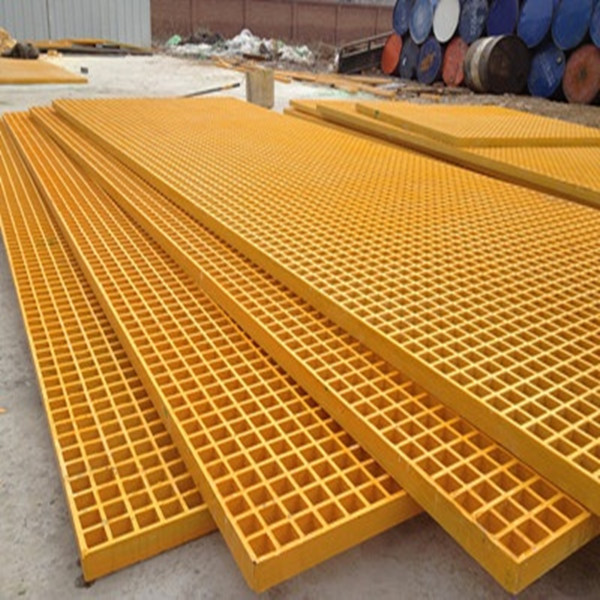
Эта пешеходная дорожка выполняет двойную функцию: она служит безопасным пешеходным покрытием и генератором чистой энергии. Она использует солнечный свет через встроенные в её структуру из стеклопластика солнечные батареи.
ПодробностиПодпишитесь на нашу рассылку, чтобы получать обновленную информацию, рекламные акции и идеи.


 Поддерживается сеть IPv6