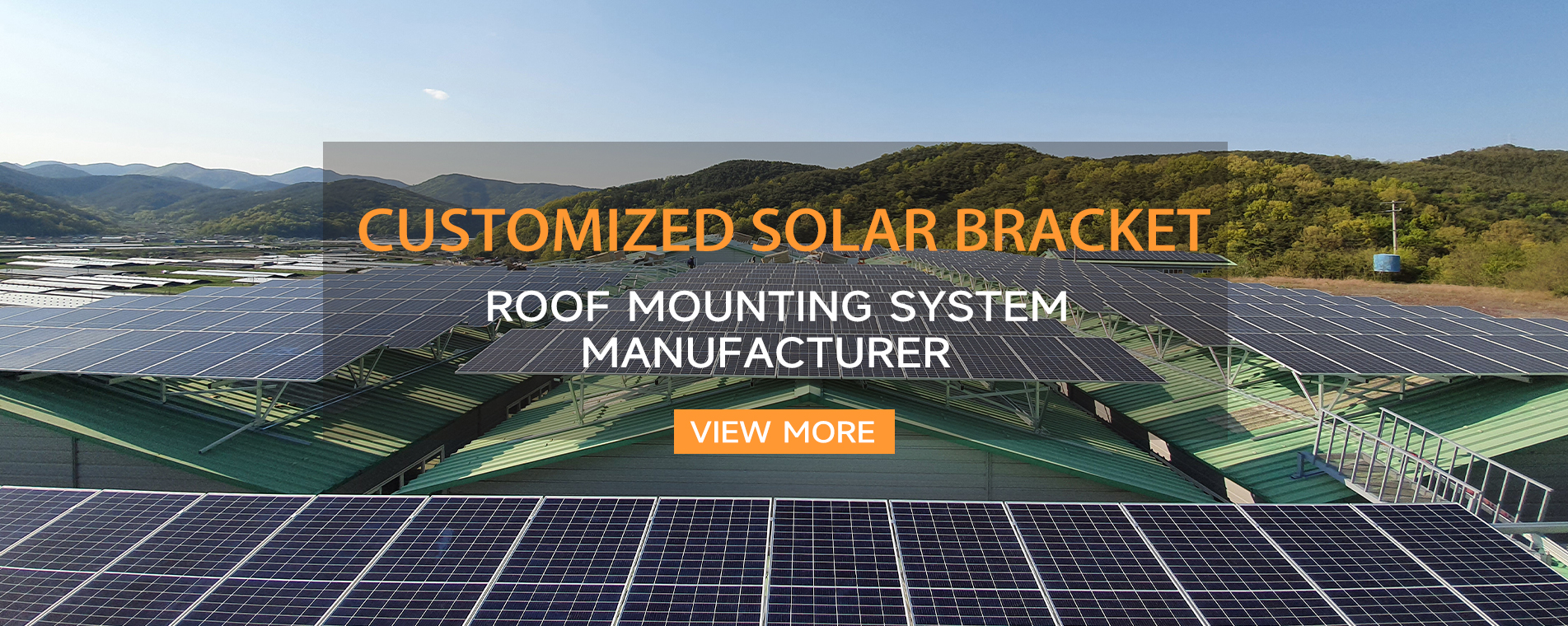
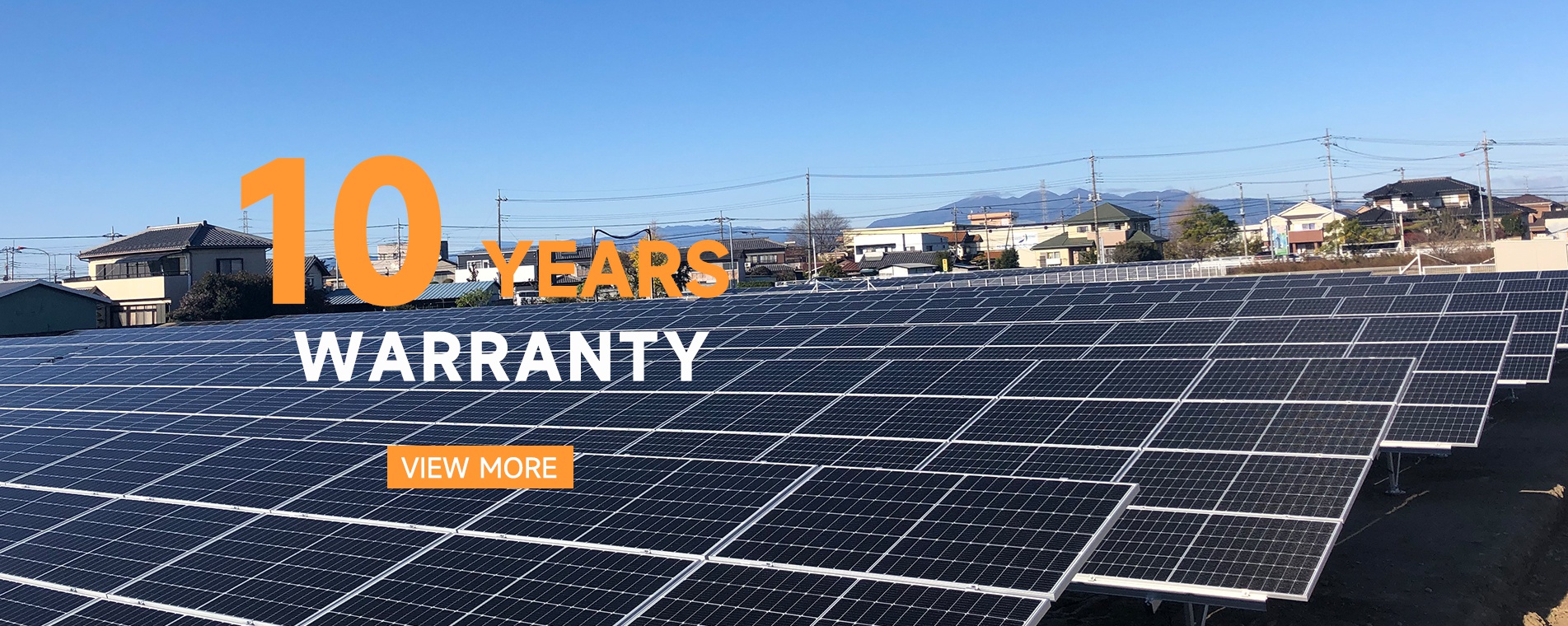
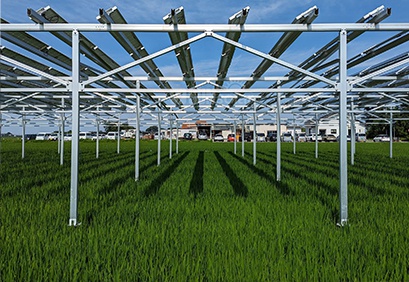
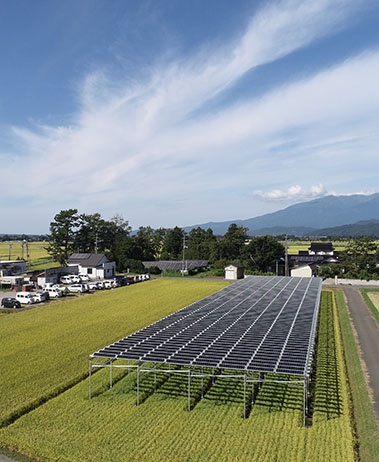
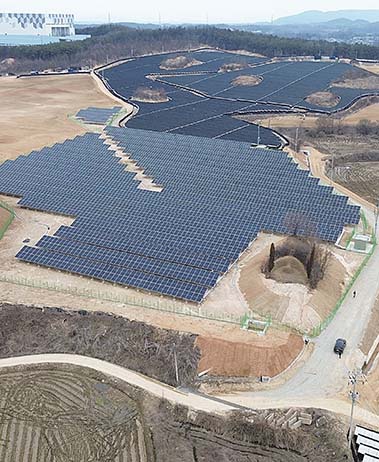
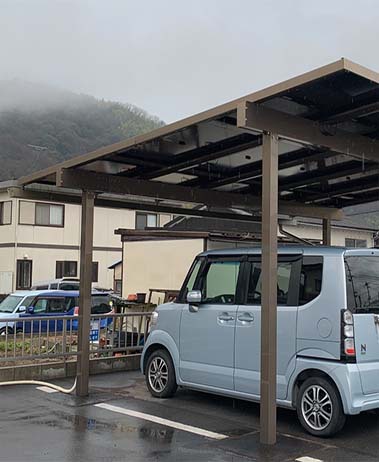
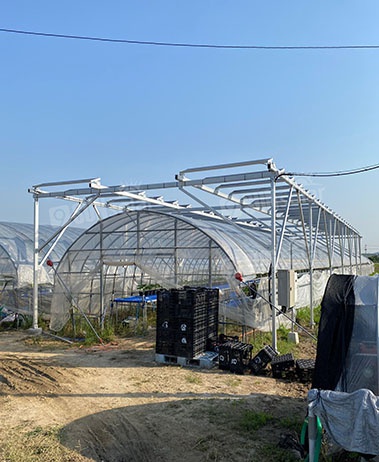
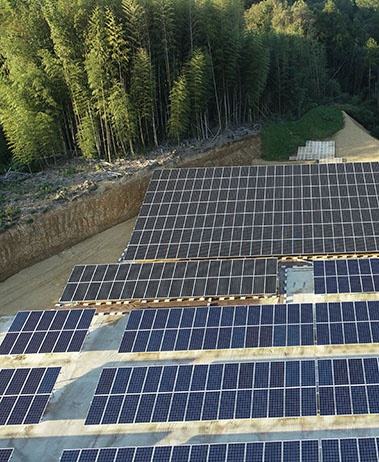
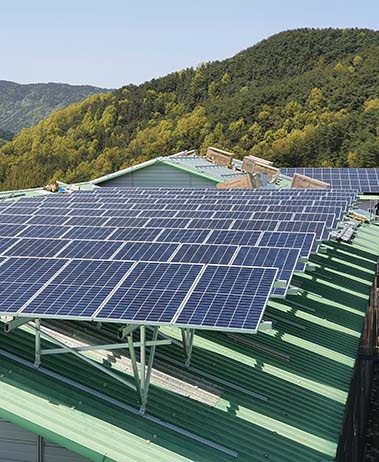
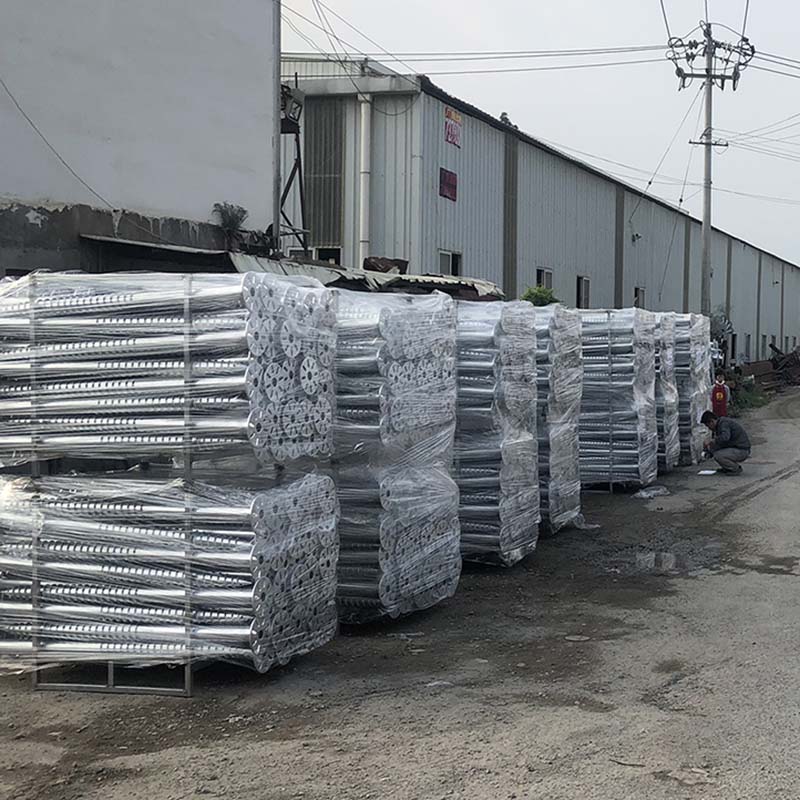
Монтажную систему солнечной фермы мощностью 80 кВт построят в Японии в 2024 году
Наша команда экспертов готова помочь вам с различными потребностями в монтажных системах солнечных батарей. Пожалуйста, поделитесь своим адресом электронной почты, чтобы связаться с нами.
When designing a rooftop solar array, the mounting structure rarely gets the spotlight. Yet the choice between old-school hook systems and a modern solar rail system makes a huge difference in speed, safety, and long-term reliability. In my experience, the most underrated upgrade is pairing a solar L foot with a properly engineered solar rail. Together, they create a foundation that is stronger, more waterproof, and faster to install than traditional alternatives. Let’s break down what makes this combination different—and why it’s becoming the new standard. What Are We Actually Talking About? Solar L foot – An L-shaped aluminum bracket that bolts directly to the roof rafters or decking. It includes a sealed EPDM foam base for waterproofing. Solar rail – The extruded aluminum channel that sits on top of the L feet and carries the solar panels. Solar panel rail – Another term for the same rail, emphasizing its role in holding PV modules securely. Solar rail mounts – The complete set of components (L feet, bolts, clamps, end caps) used to attach the rail to the roof. When you combine these, you get a solar rail system that is modular, adjustable, and surprisingly simple. Key Differences vs. Traditional Hook Systems Feature Traditional Hook L Foot + Rail Roof penetration 2–4 screws per hook 1 screw per L foot Waterproofing Lead or rubber flashing Pre-attached EPDM gasket Rail alignment Hook position is fixed Rail can slide along L foot top Material compatibility Best for wood rafters Works with wood, steel, concrete The biggest difference? Adjustability. With a standard hook, once it’s screwed down, the solar panel rail position is locked. If your measurements are off by 2 cm, you have to remove screws and re-drill. With a solar L foot, the top slot allows the rail to slide fore and aft before tightening. That single feature saves hours of frustration on a medium-sized roof. Advantages of the L Foot + Rail Structure 1. Fewer Leaks – Period Each solar L foot comes with a factory-applied waterproof pad. When compressed by the single mounting screw, it creates a seal that outlasts hand-cut flashing. Many manufacturers now offer 10-year leak warranties on this design. 2. Faster Installation Because there’s no measuring for hook slots or cutting lead sheets, crews can install solar rail mounts roughly 35% faster. One crew member positions L feet; another snaps on the solar panel rail. No waiting, no rework. 3. Lower Roof Stress Traditional hooks concentrate force on a single screw point. The solar L foot spreads the load across a 20–30 cm² footprint. This is critical for older asphalt shingles or fragile clay tiles. 4. Works on Multiple Roof Types Asphalt shingles – Direct mount, tuck the gasket under the shingle above. Clay/concrete tiles – Lift the tile, screw L foot to decking, then replace the tile over the foot. Metal standing seam – Use a clamp adapter (no roof penetration at all). 5. Built-in Leveling The horizontal leg of the l foot solar bracket naturally self-levels on the roof plane. If your rafters are slightly warped (common in older homes), the L foot still provides a flat mounting surface for the rail. 6. Future Serviceability Need to replace a single panel or repair roof underlayment? Loosen the rail, slide it off the L feet, and remove only the affected section. You don’t have to dismantle half the array. When Should You Choose This System? The solar rail system based on L feet is ideal for: Residential sloped roofs (especially asphalt shingle and tile) High-wind or heavy-snow regions (dual-bolt locking is very strong) Retrofits where existing attachments are failing It is not recommended for: Corrugated metal roofs thinner than 0.5 mm Flat commercial roofs (use ballasted or penetrating pedestals instead) Live turf or green roofs (specialized low-impact mounts exist) A Quick Word on Components If you search for solar panel rail, you’ll find many profiles. For L foot systems, choose a rail with an open slot on the bottom (to slide onto the L foot top) and a top channel for panel clamps. Standard lengths are 3–5 meters. The solar rail mounts themselves (L feet, bolts, splices) are usually sold as kits. Make sure the l foot solar bracket is rated for your local wind speed. A 120 mph rating is typical for most of the US. Real-World Example I recently watched a team install a 9 kW system on a 30-year-old asphalt roof. They used solar L foot brackets every 1.2 meters along each solar rail run. The solar panel rail went down in straight, level lines without a single shingle crack. The whole rail mounting phase took under three hours. The homeowner commented, “It looks cleaner than my neighbor’s system.” That’s the L foot difference. Bottom Line The shift from old hook-style attachments to a purpose-built solar rail system with solar L foot bases is not a minor tweak—it’s a fundamental improvement in how we attach PV to roofs. You get: Fewer penetrations Faster installs Better waterproofing A serviceable, long-lasting structure If you are specifying or installing rooftop solar in 2026 and beyond, put the solar L foot and solar rail at the top of your bill of materials. Your roof—and your future self—will thank you.
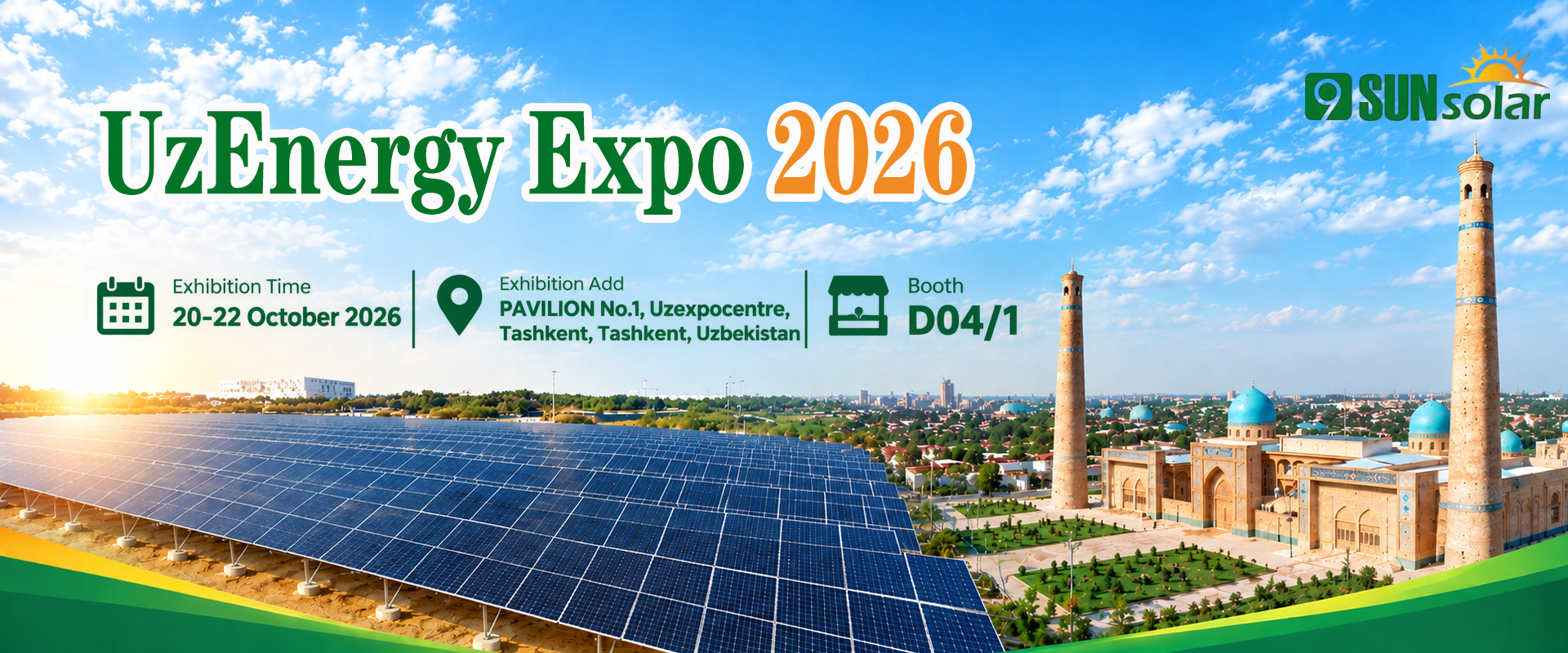
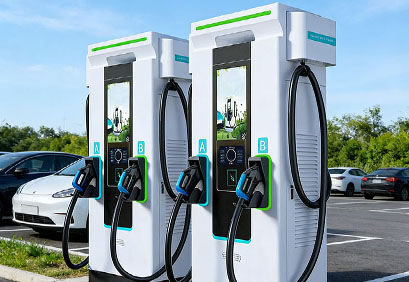
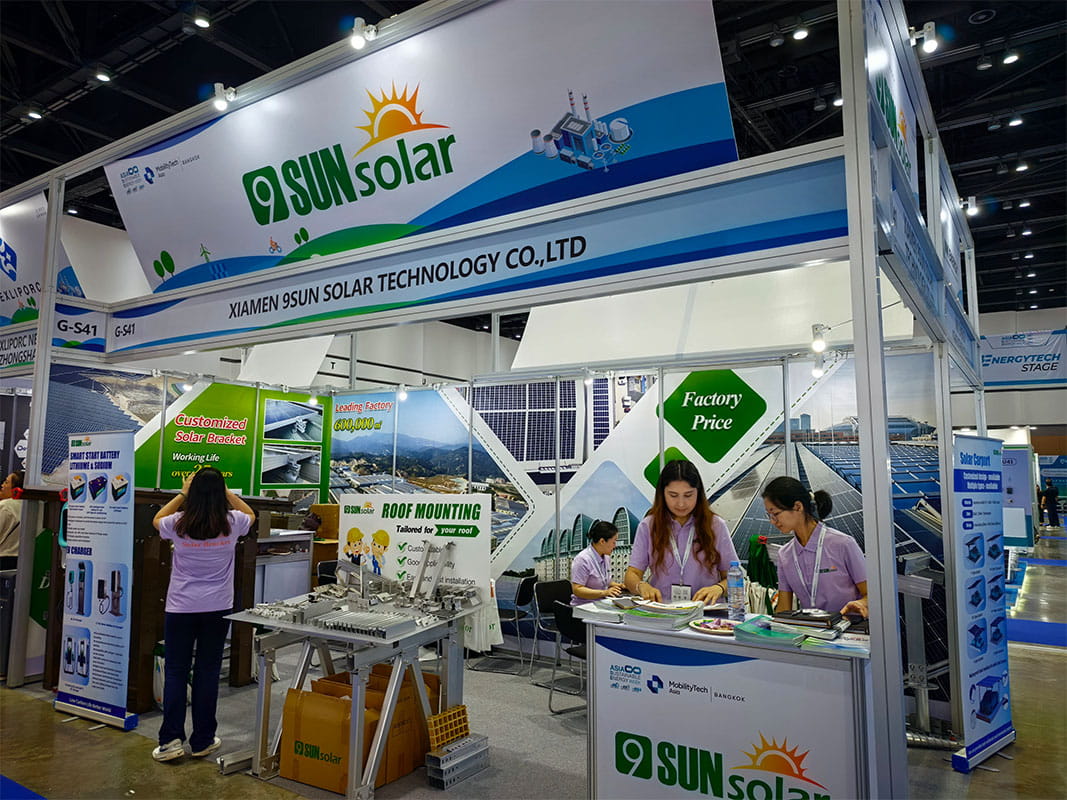
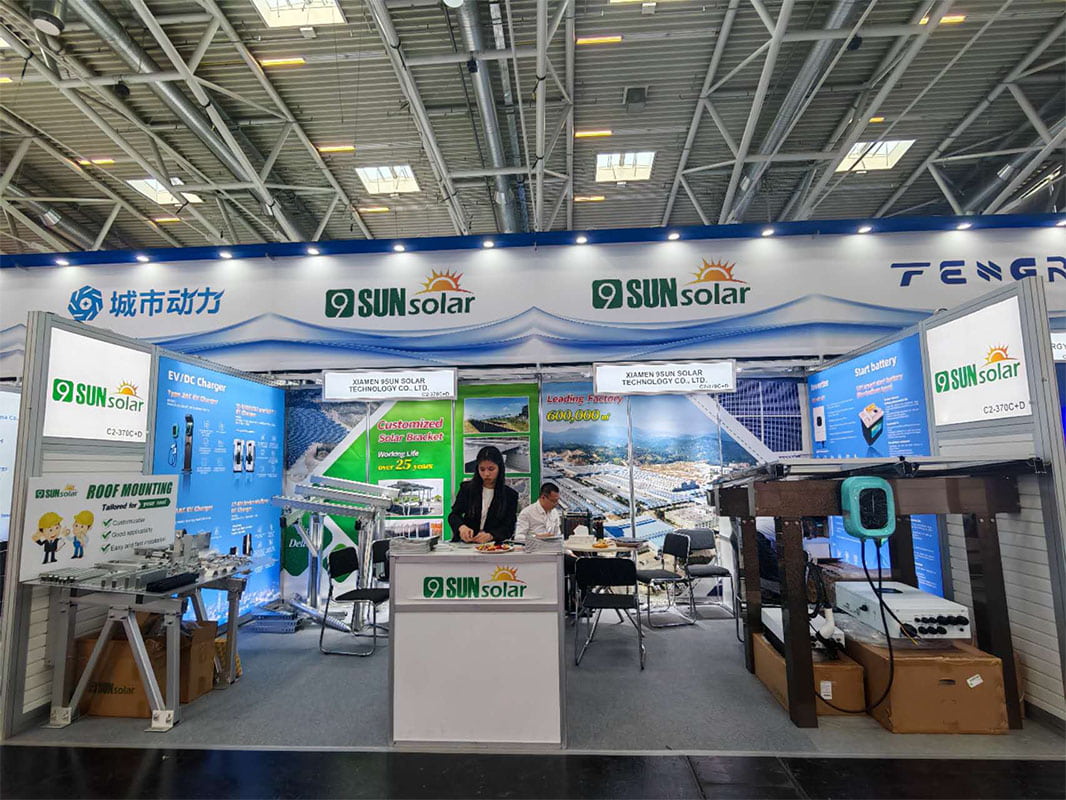
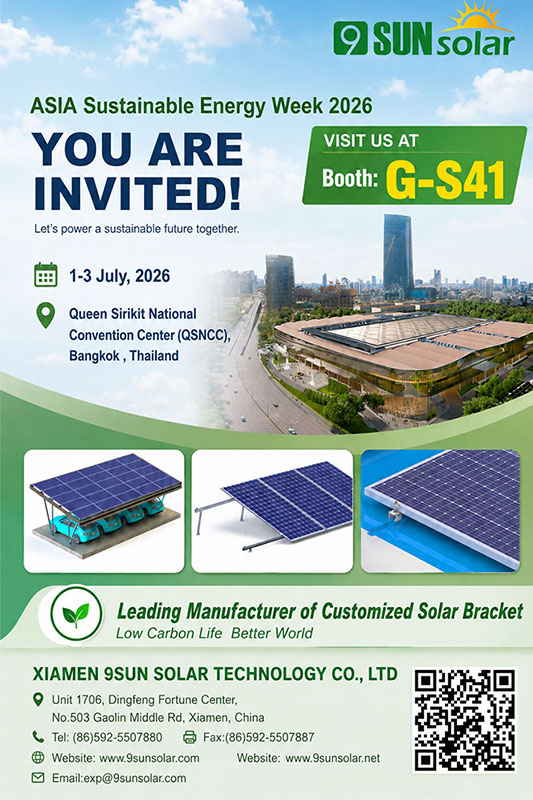
ЧИТАТЬ ДАЛЕЕПриглашаем вас на встречу с компанией XIAMEN 9SUN SOLAR TECHNOLOGY Co., Ltd на предстоящей выставке. Международная выставка зеленой энергетики 2026, происходящее с С 22 по 24 апреля 2026 года в выставочном центре Exco-ro, район Бук-гу, город Тэгу, 41515, Южная Корея. Наша команда с нетерпением ждёт вас в Booth. Ф-150где мы представим наши последние достижения в области технологий солнечной энергии. Основные новинки, представленные на выставке: Солнечные системы нового поколения для установки на крышах – повышенная эффективность, облегченная конструкция и бесшовная интеграция для жилых и коммерческих объектов. Усовершенствованные солнечные навесы для автомобилей – прочные, устойчивые к погодным условиям конструкции, сочетающие выработку энергии с практичной защитой транспортных средств, идеально подходящие для парковок и коммерческих объектов. Новейшие инверторы и зарядные устройства – высокоэффективные решения для преобразования энергии, отличающиеся улучшенной совместимостью с сетью, интеллектуальным управлением энергией и надежными возможностями зарядки. Наши технические и коммерческие представители будут присутствовать на месте, чтобы провести демонстрацию продукции, обсудить требования проекта и изучить потенциальные возможности сотрудничества. Мы с нетерпением ждём вашего визита в Бут. Ф-150.
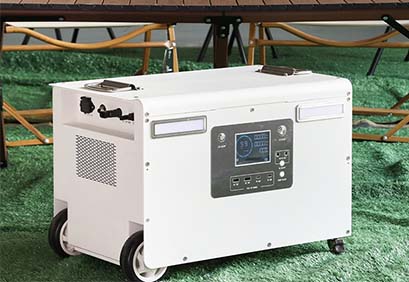
ЧИТАТЬ ДАЛЕЕВыставка в Токио продолжается, Сямэнь 9Sun Solar Новая энергия, как и было обещано, уже здесь!Подробности мероприятия:Название выставки:ТОКИЙСКАЯ ВЫСТАВКА PV EXPO (весна) 2026Даты:17–19 марта 2026 г.Время:ежедневно с 10:00 до 17:00.Расположение:Токийский Биг-Сайт, Токио, ЯпонияНомер нашего стенда: E6-30Будучи предприятием, активно работающим в сфере новых источников энергии, мы предлагаем высококачественную продукцию, такую как: Навес для автомобиля, кровельный тип Системы крепления фотоэлектрических элементов и высокоэффективные системы хранения энергии. Благодаря профессиональному научно-исследовательскому потенциалу и стабильному качеству продукции. Мы готовы сотрудничать с коллегами по всему миру для создания низкоуглеродной, эффективной и безопасной энергетической экосистемы.
ЧИТАТЬ ДАЛЕЕМы рады пригласить вас посетить наш стенд на выставке.Выставка TOKYO PV EXPO (весна) 2026одна из самых известных выставок возобновляемой энергии в Азии.Подробности мероприятия:Название выставки:ТОКИЙСКАЯ ВЫСТАВКА PV EXPO (весна) 2026Даты:17–19 марта 2026 г.Время:ежедневно с 10:00 до 17:00.Расположение:Токийский Биг-Сайт, Токио, ЯпонияНомер нашего стенда:E6-30На нашем стенде мы представим наши новейшие разработки в области фотоэлектрических технологий и решений в сфере возобновляемой энергии. Это будет прекрасная возможность ознакомиться с передовыми достижениями, обсудить отраслевые тенденции и узнать, как наша продукция может помочь в достижении целей вашего бизнеса.Для нас будет большой честью видеть вас в качестве нашего гостя. Пожалуйста, сообщите нам, если вы хотели бы назначить встречу с нашей командой во время выставки, и мы с удовольствием согласуем с вами удобное время.Если у вас возникнут какие-либо вопросы или потребуется дополнительная информация, пожалуйста, не стесняйтесь обращаться к нам.Мы с нетерпением ждём встречи с вами в Токио и на этой вдохновляющей выставке!
ЧИТАТЬ ДАЛЕЕ